• Skip to main content
  • Skip to secondary navigation

Battlefield Wanderers

A collection of military history and battlefields by Midge Carter and Trish Woodman

  • The book
  • About Midge
  • Zulu Dawn
  • YouTube
  • Interviews
  • Majuba “A Climb to Remember”
  • South Africa
  • America
  • Asia
  • UK and Europe
  • Naval and maritime
  • Forts and blockhouses
You are here: Home / South Africa / Majuba, “The Hill of Doves”

Majuba, “The Hill of Doves”

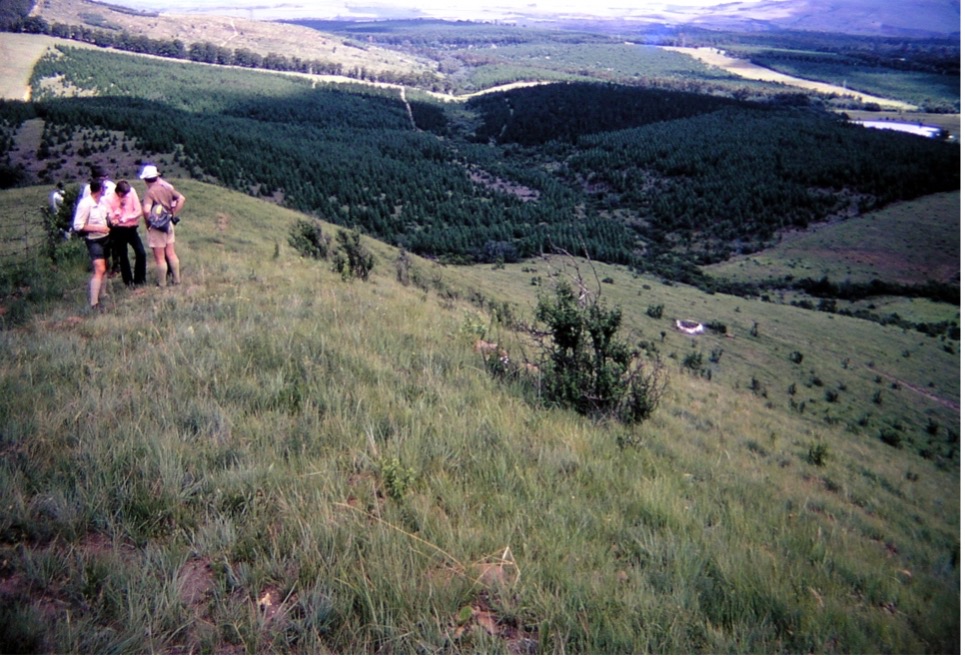
Majuba/Amajuba is a challenge to climb at any time, as we did in 2006, and it filled me with admiration for the British troops and Boers of 1881. More so is my sympathy with the members of the Centenary climb, as they were a mixture of ordinary people, young and middle-aged, fit and unfit. They clambered to the top in the dark, two with full packs, recreating the 1881 route. They were each given a copy of the following certificate.
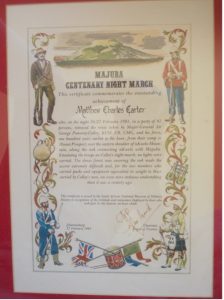
Majuba Centenary Night Climb
Front of the certificate

Majuba Centenary Night Climb

This certificate commemorates the outstanding achievement of MATTHEW CHARLES CARTER who, on the night of 26/27th February 1981, in a party of 41 persons, retraced the route taken by Major-General Sir George Pomeroy-Colley KSCI, CB, CMG, and his force, one hundred years earlier to the hour, from their camp at Mount Prospect, over the eastern shoulder of nKwelo Mountain, along the nek connecting nKwelo with Majuba.

Emulating the troops on Colley’s night march, no lights were carried. The dense forest now covering the nek made the ascent extremely difficult and, for the two members who carried packs and equipment equivalent in weight to those carried by Colley’s men, an even more arduous undertaking than it was a century ago.

This certificate is issued by the South African Museum of Military History, in recognition of the fortitude and endurance displayed by those who took part in this historic six hour climb.

Johannesburg, 27th February 1981.

And on the reverse:
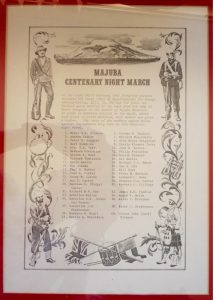
Majuba Centenary Night March
Back of the certificate

Majuba Centenary Night March

On the night of 26/27th February 1981 forty-one persons retraced the route taken by Major-General Sir George Pomeroy-Colley, KSCI, CB, CMG, and his force one hundred years earlier to the hour, from his camp at Mount Prospect to the summit of Majuba Mountain. In order to maintain contact on the march, which took part in pitch darkness, each member was given a number. The names of the members appear below against the number they bore in this historic night march.
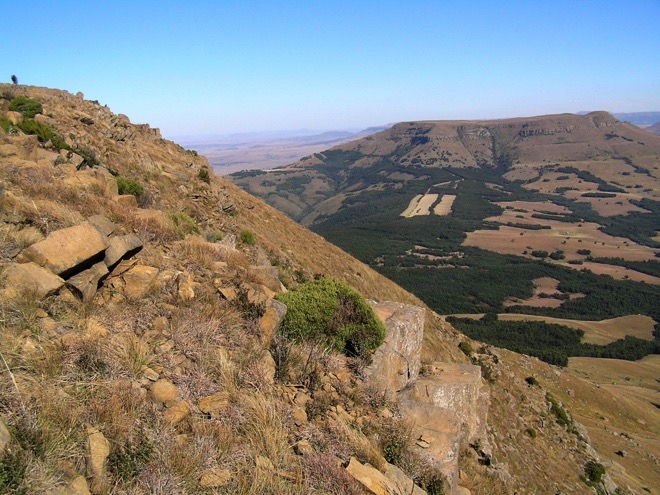

Route taken by the British in 1881 and the Centenary group in 1981. nKwelo, right, from the summit of Majuba.

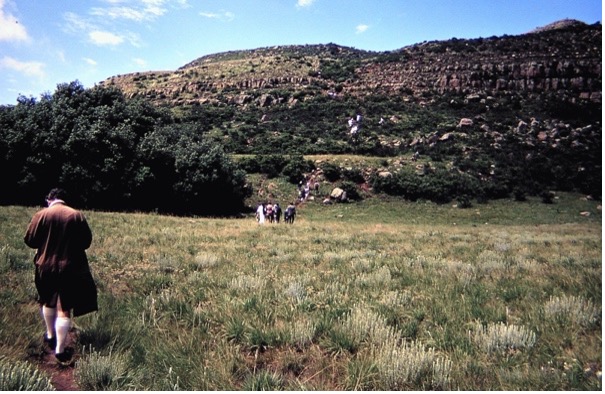
Winter in Natal means that the landscape is dry and yellow, summer is when everything is green, so in some of the following photos you would wonder if they depict the same place.
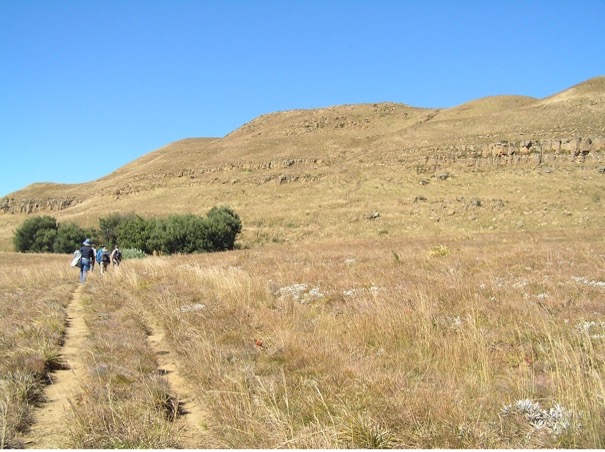
2006. Ascending in Winter.
1970.  SAMHS heading for the hill in Summer.
1970. SAMHS heading for the hill in Summer.

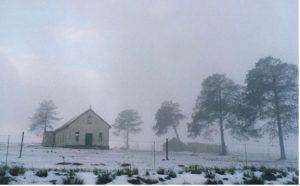
In 2001 I missed the experience of climbing the hill because it was snowed in and, in fact, some nearby roads were impassable. I had no idea that I would see snow in South Africa. (Trish)
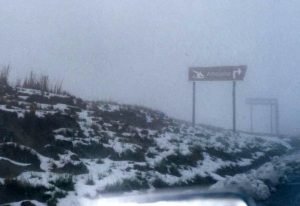
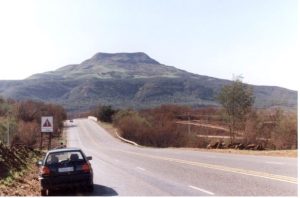
Volksrust turn-off to Majuba near Laing’s Nek.
Snow near Charleston.
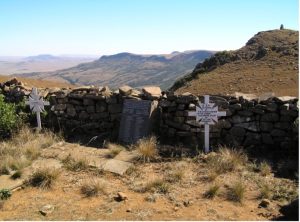
When you finally reach the top, you will find the cemetery.
Amajuba after the snow.
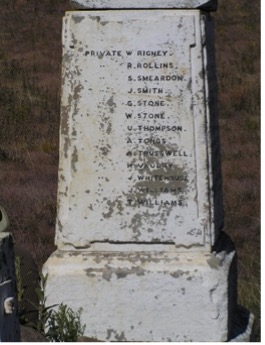
RIP. In memory of the 33 NCOs and men of the Gordon Highlanders killed in action. February 27th 1881
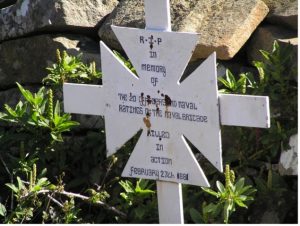
RIP. In memory of the 20 officers and naval ratings of the Naval Brigade. Killed in action February 27th 1881.

Photos below:

In memory of the Honourable Cornwallis Maude, only son of Viscount Howarden, aged 28, who having resigned his commission in the Grenadier Guards, volunteered for service while in South Africa, and being attached to  the 58th Regiment, fell in action on Amajuba  Mountain,  February 27th 1881. For Queen and Country. Jesu mercy.

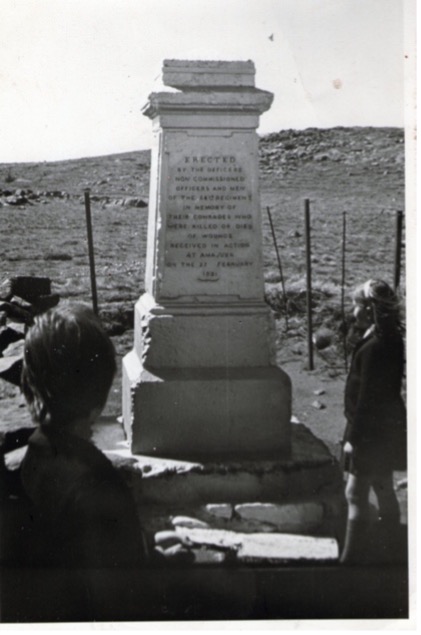
Erected in honour of those killed or wounded.
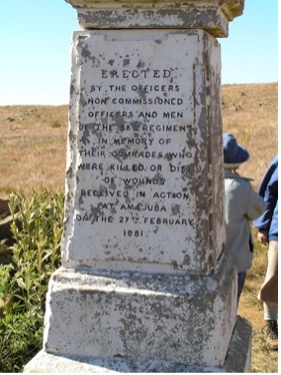
From the top of Majuba the views are stunning, and we can see why it was important to hold it.
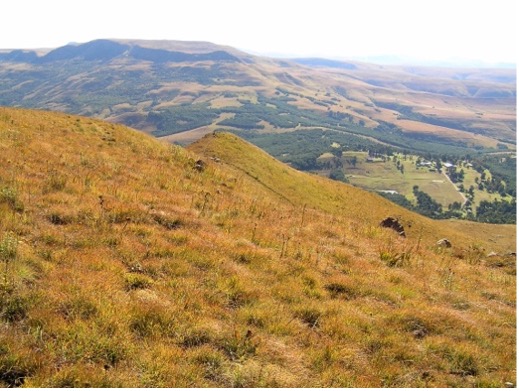
Gordon’s Knoll from the summit.
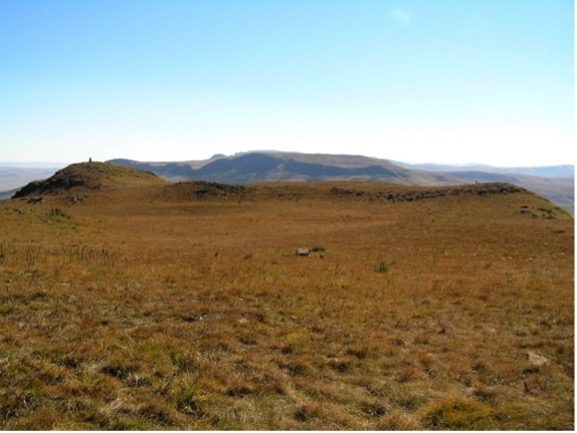
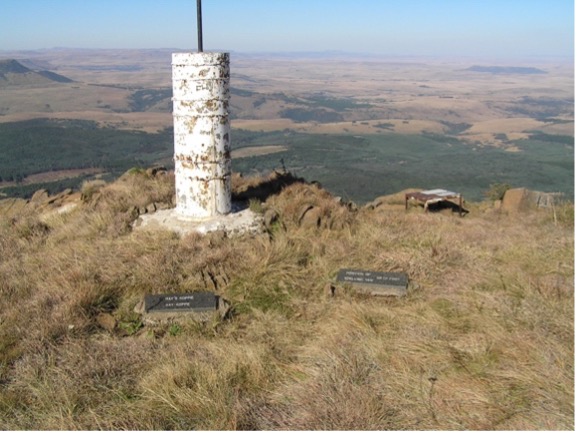
Summit overview.
Summit overview.
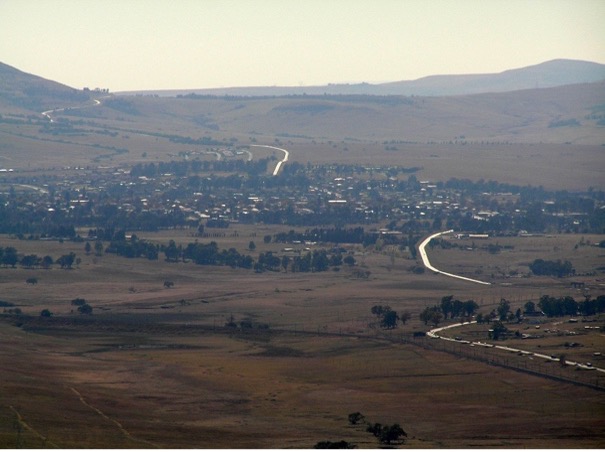
Volksrust from Amajuba.
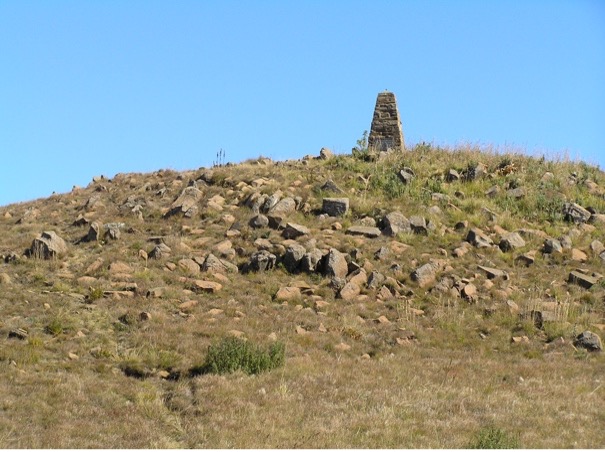
Summit cairn.
Summit cairn.
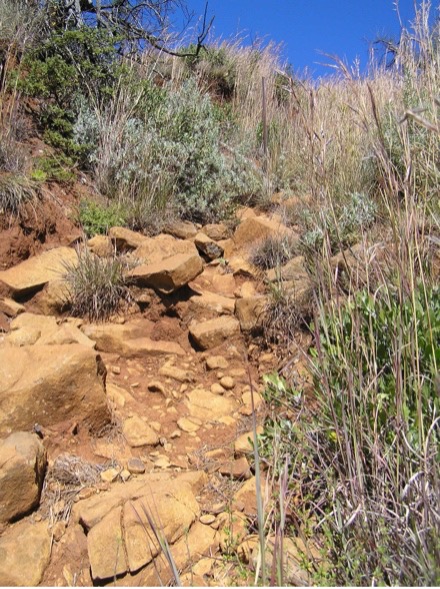
An upwards struggle.
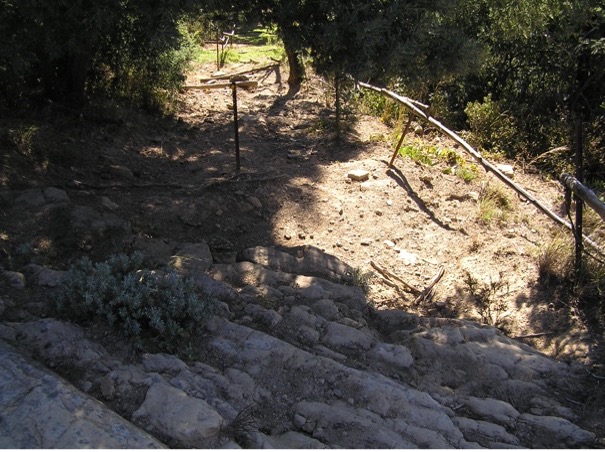
The pathway down. Hard going too.
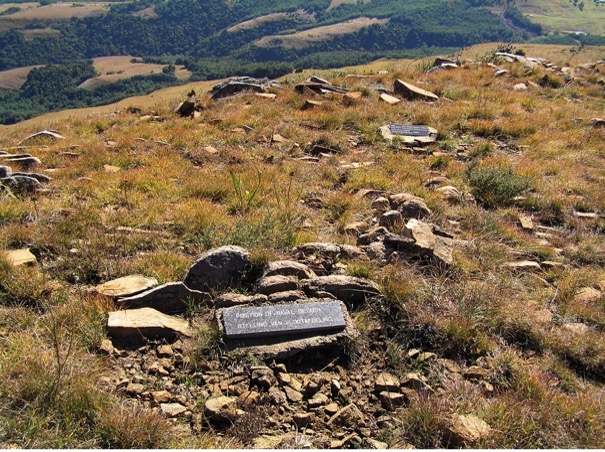
Position of the Naval Brigade.
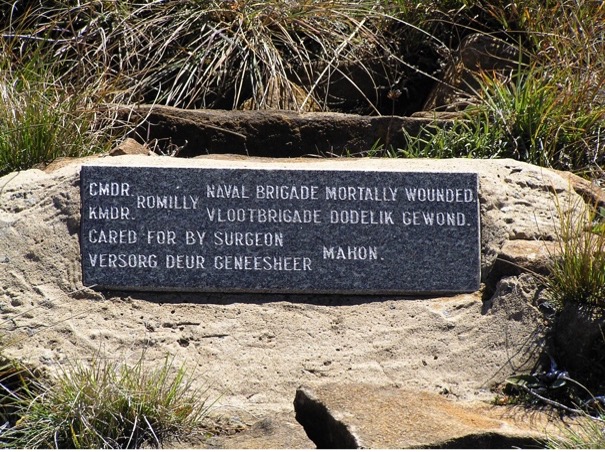
Cmdr Romilly. Naval Brigade. Mortally wounded. Cared for by Surgeon Mahon.
Romilly was shot from the edge of hill far right (about 900 metres).
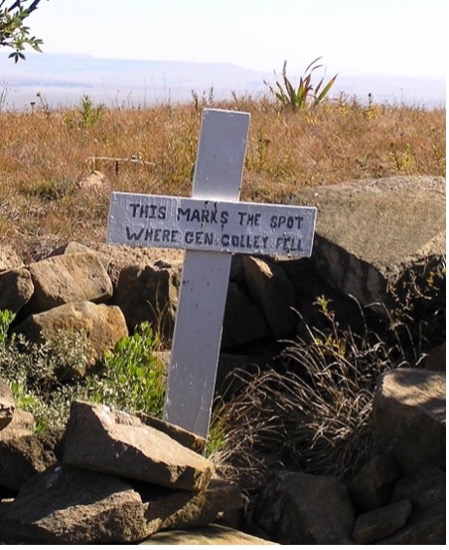
General George Pomeroy Colley, who was totally inexperienced, was killed here.
Hay’s Koppie. Position of the 58th Regiment, and their monument.
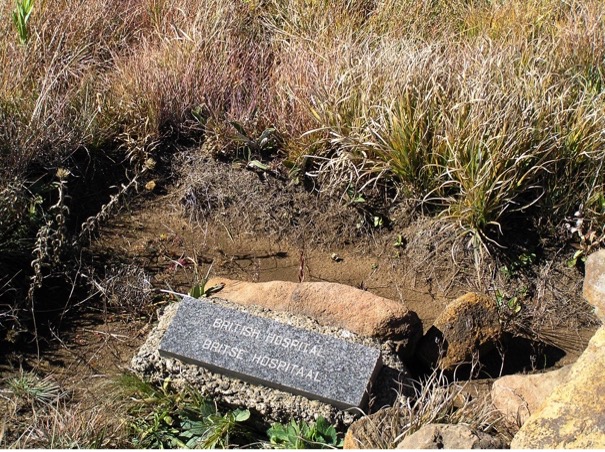
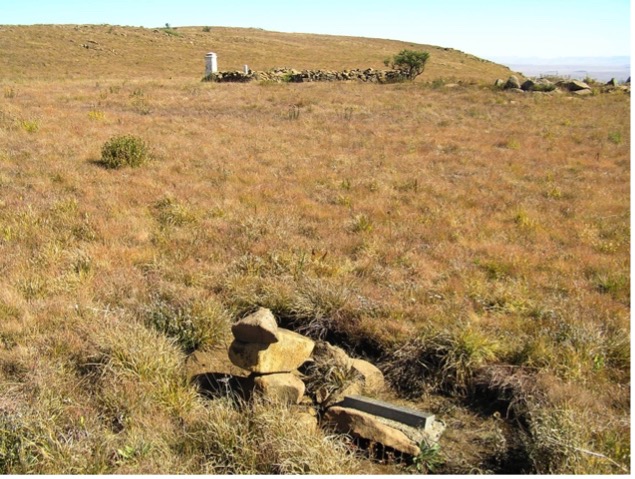
Site of the British Hospital.
View of the cemetery from the hospital site.
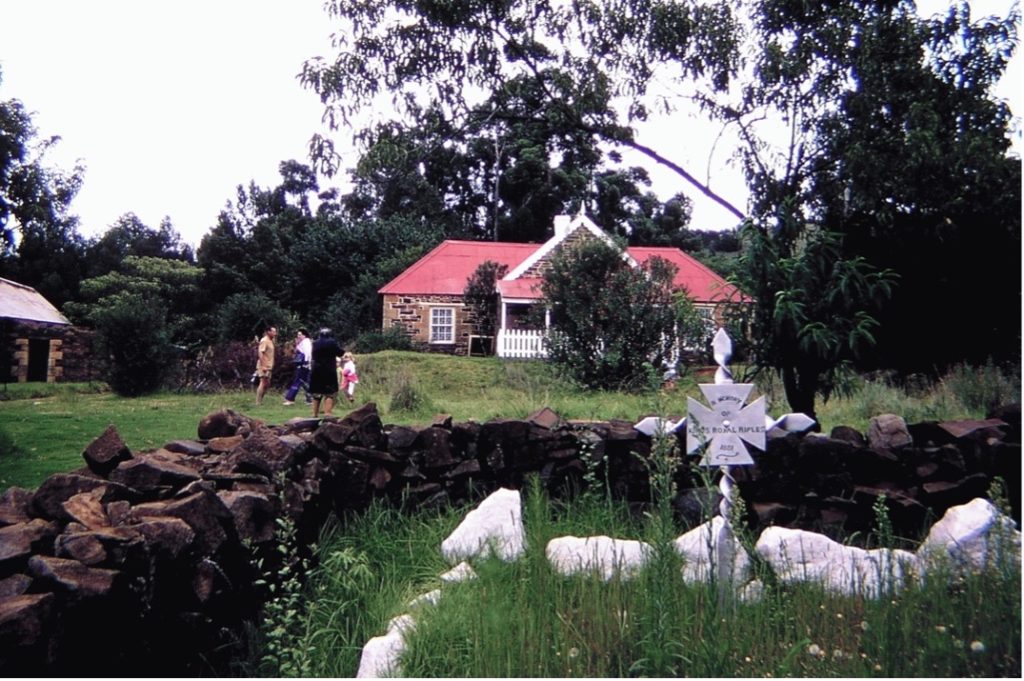
O’Neill’s Cottage. 1966. Cemetery in foreground. In memory of the King’s Royal rifles. 1881.

Photos of Laing’s Nek Battlefield

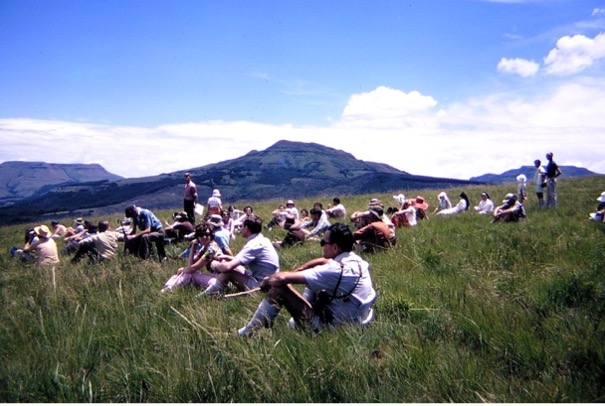
1970 trip by Durban branch of South African Military History Society to Laing’s Nek.

Laing’s Nek from Majuba. The monument on the right is situated to far right, top third, of 1st photo.
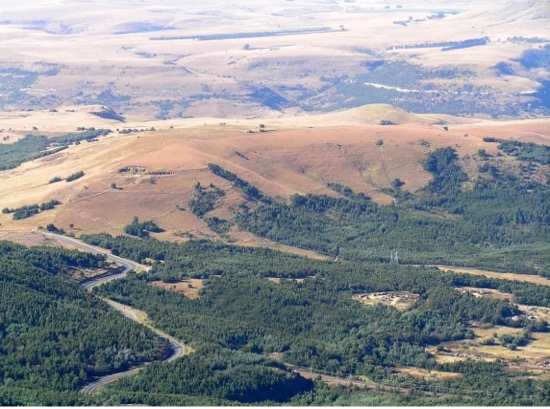
Majuba (right) from Laing’s Nek.
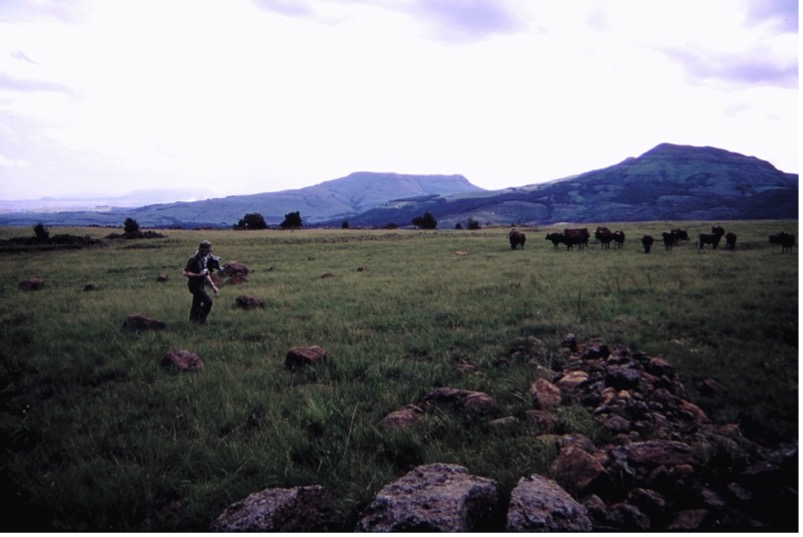
Laing’s Nek.
Laing’s Nek.
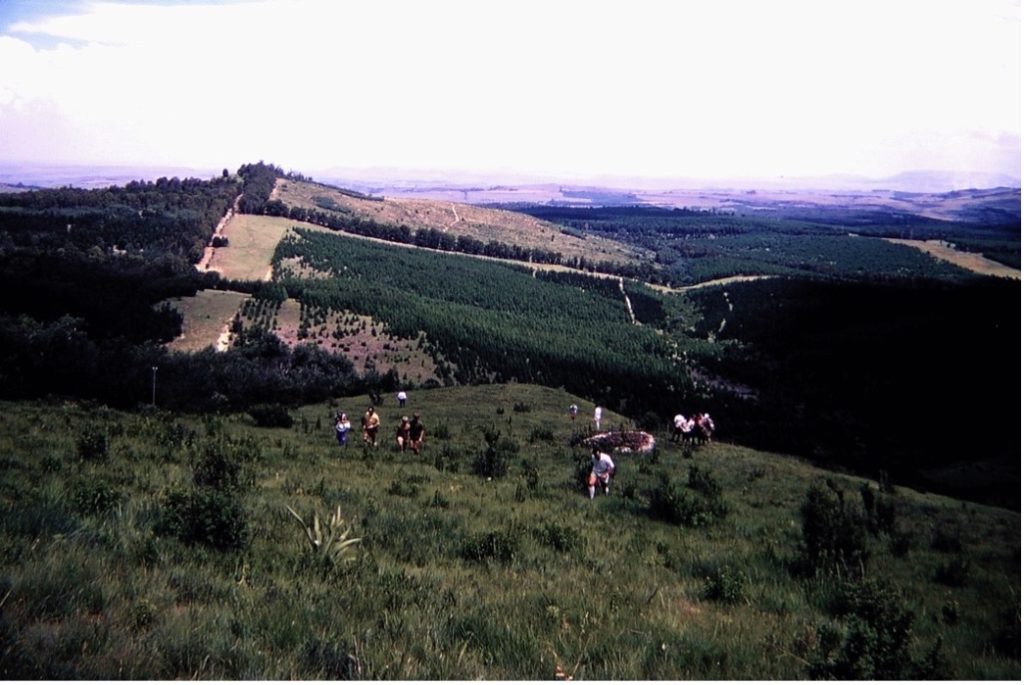
Same spot, farther up the hill. Cemetery in middle of photo.

The following map is from David and Goliath, the First War of Independence, 1880-1881, by George R. Duxbury, 1981.
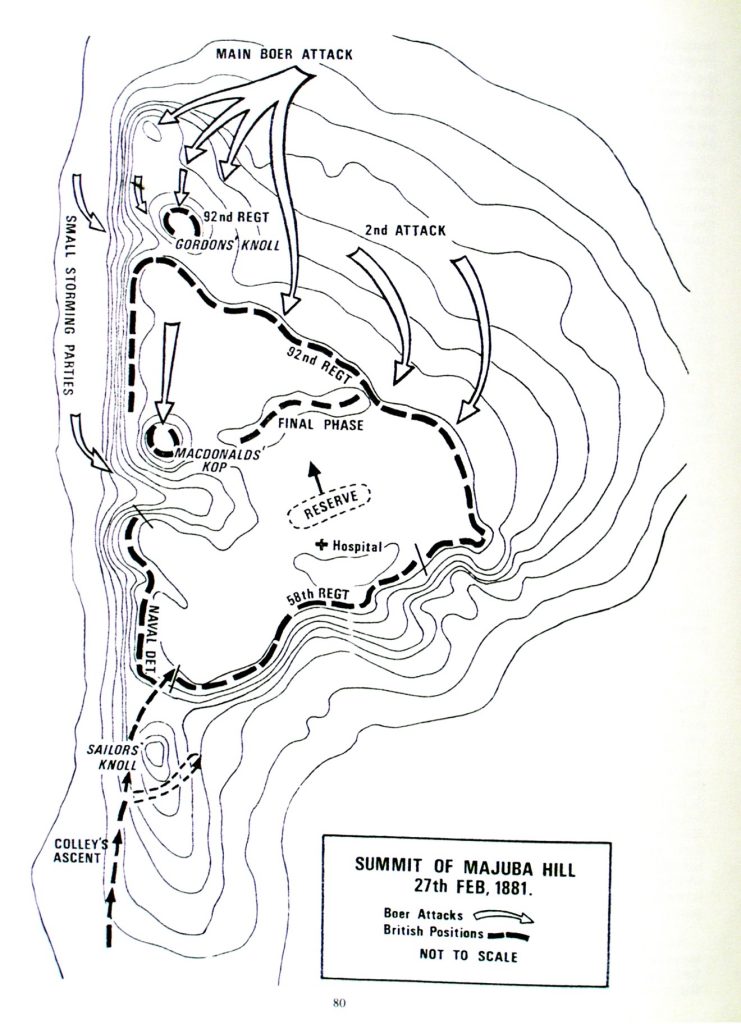
Map from David and Goliath, the First War of Independence, 1880-1881, by George R. Duxbury, 1981.

© Copyright 2017-25 Battlefield Wanderers. Site by TAD Graphics. Admin